High-five a guy from the 17th century
Between two old chapels in Mosta lies a path few know about. It’s full of wild flowers, tall grass and perfect for communing with nature.
(Oh, and a man who died centuries ago wants to say hi.)
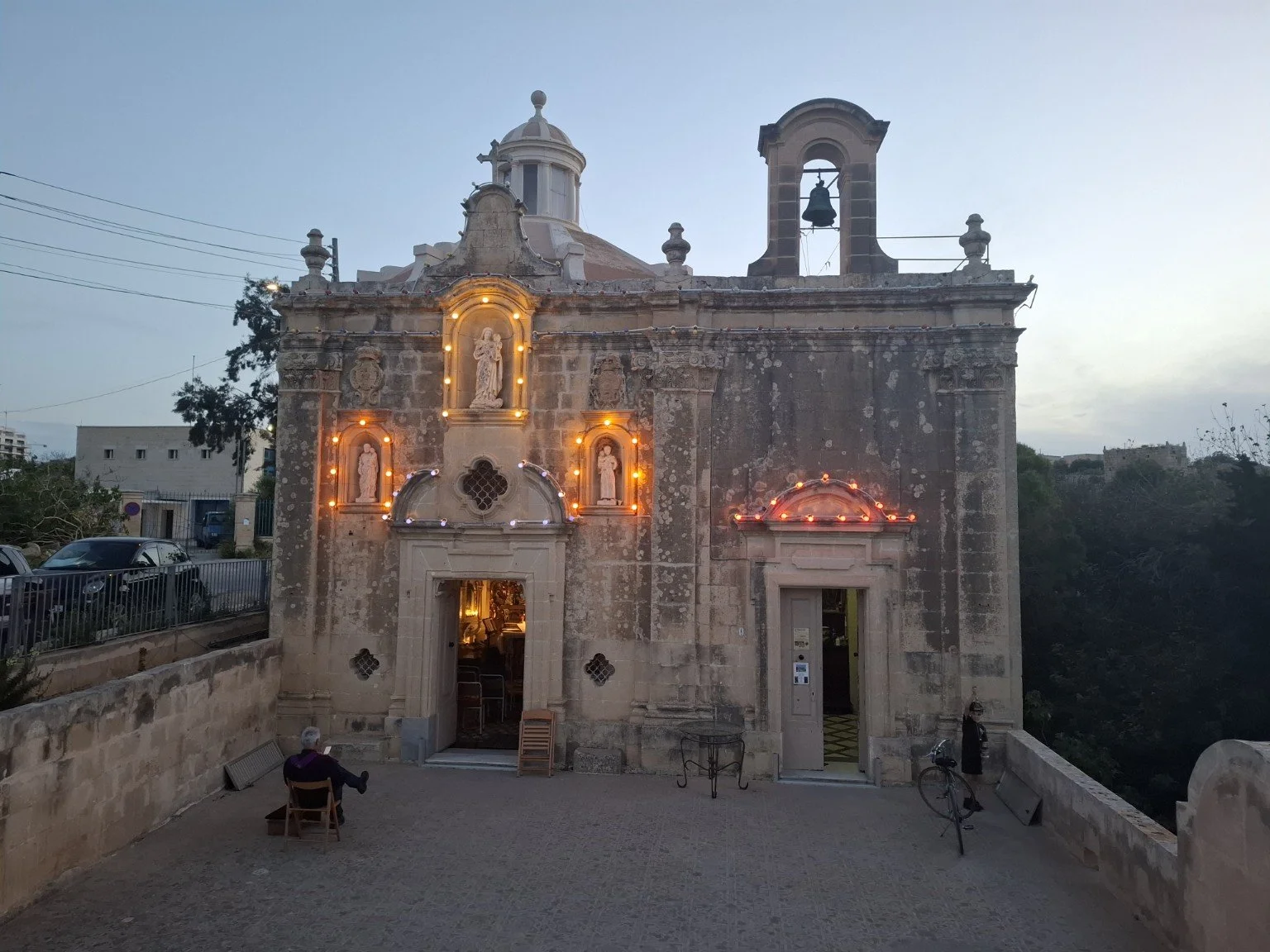
The Church of Good Hope in the evening: fairy lights as the sun goes down
Introvert rating: 🌿🌿🌿🌿 4/5
Very peaceful with few other walkers. I’ve never seen it crowded.
Food: Coffee and sweet snacks at Dolcettina, EUR 2-5
Parking: Parking varies: usually plenty of residential space unless there is a festa nearby
Entry fee: FREE
Toilets: Nice & clean, fully stocked… just buy a coffee from the cafe
Your starting point is here, at the Church of Our Lady of Hope or the Good Hope Church. It was built in 1760-61 to celebrate the miraculous escape of a young woman from pirates in 1750. (It’s very cool story. Check it out here.) It sits on top of a sacred cave overlooking the valley and still holds Catholic services to this day. There is a bench (out of sight in the photo above) where you can sit and either marvel at this beautiful piece of history or read a book.
To get to the path, leave the church by crossing the bridge. You'll see a rough walkway that goes off to the left, hugging the valley. Even though the first part of this way is popular with dog walkers, you won’t come across many people. A couple of minutes in, the path will start to narrow as nature takes over the space…
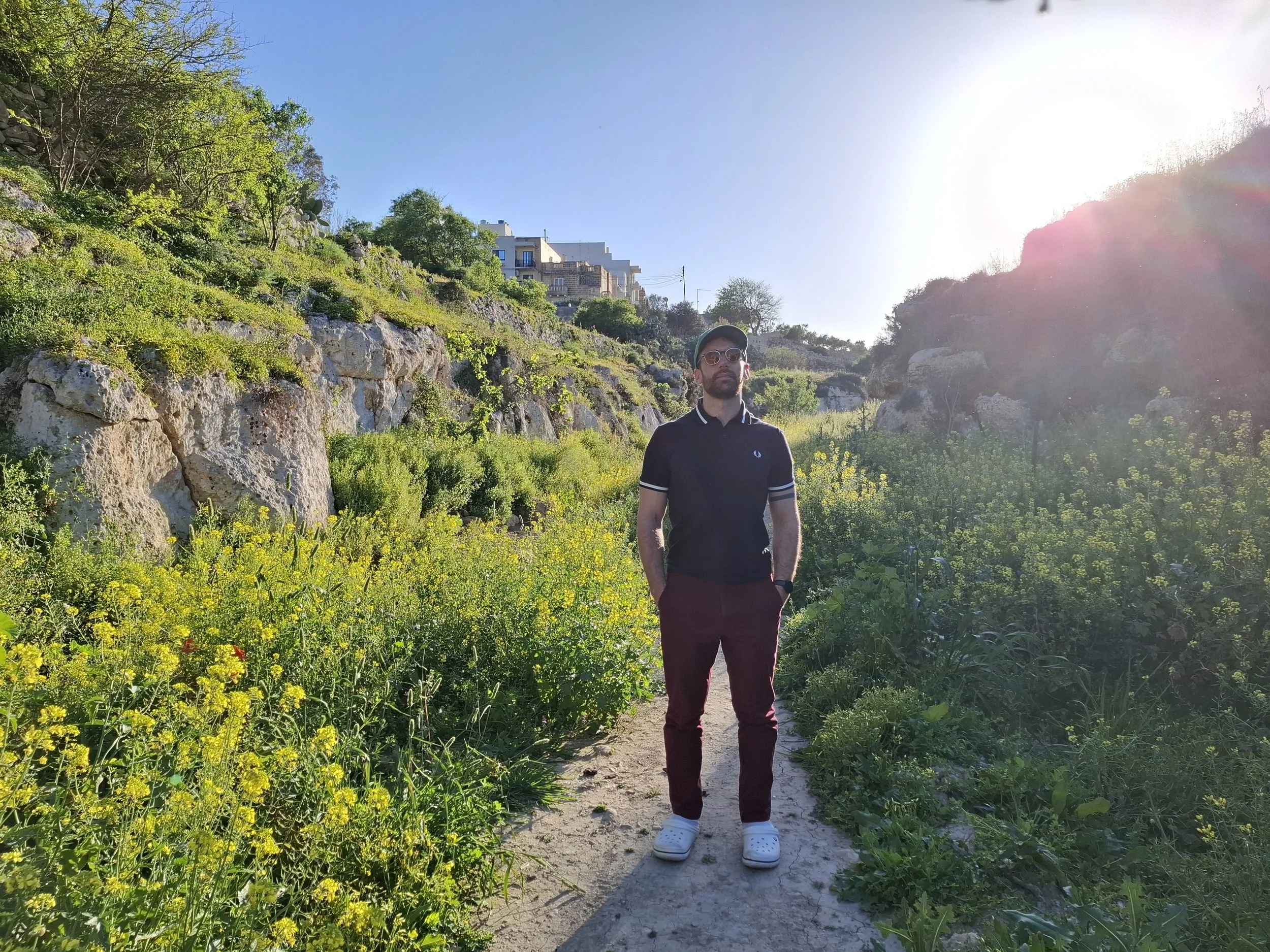
Leaving Good Hope Church behind: the beginning of the path through nature
This is the Wied ta’l Isperanza (Valley of Hope). It takes about 30 mins to walk through,although you’ll probably end up stopping to look at things along the way. The path takes you through the valley and can get really narrow in places, so cover up your legs (unless you don’t mind passing through greenery with bare skin). The terrain is also uneven in places and can get muddy in wet weather, so it’s not the best place for wheelchairs or strollers. Or flip flops.
Prepare yourself for complete immersion in some of Malta’s most beautiful natural landscapes. Wild flowers burst through the thick lush foliage: poppies, bright yellow mustard flowers, prickly pear cactuses, orchids. I have absolutely no idea what half these flowers are called, but the valley goes properly wild in spring. It’s perfect for those of you who - like me - are into Shinrin-yoku, (or ‘forest bathing’) the Japanese practice of reconnecting to nature to feed the soul.

Sign among the plants: someone has been kind enough to explain what grows here
This place is amazing if you happen to catch it during the Golden Hour at the end of the day. The light dances on the leaves which feels magical. You pass through odd cool spots too, unique to valley environments like this. Because of the geography here, moisture tends to remain longer than usual and this, with the intense heat, results in a rich smorgasbord of flora. The sounds of traffic don’t disappear but they are far away and do not take away from the experience. I felt very relaxed by the end of the walk, as if my soul had been fed. For real.
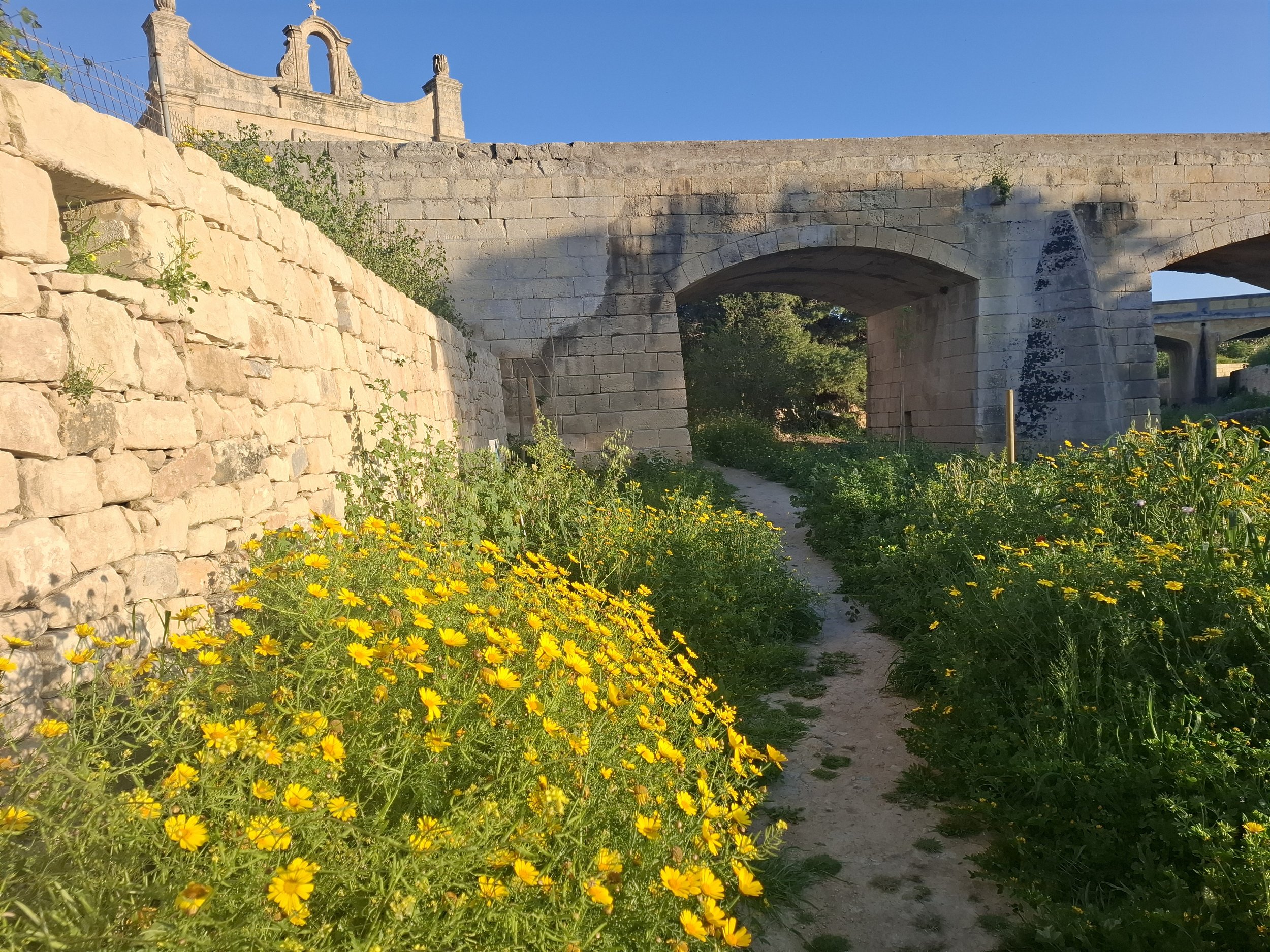
A flowery welcome: approaching the St Paul tal-Qliegħa Chapel
Now for the really cool part. The chapel at the end of the walk was built in 1690, 70 years before the Good Hope Church, marking the ancient road that St Paul is said to have walked down to get to Mdina. Now, I’m not religious, but the place still feels special and that is because you can imagine what it would have been like centuries ago, even with the road at the top of the gradient. It was built at the time of Louis XIV of France, William III was King of England and the Knights of the Order of St John were reigning over Malta.
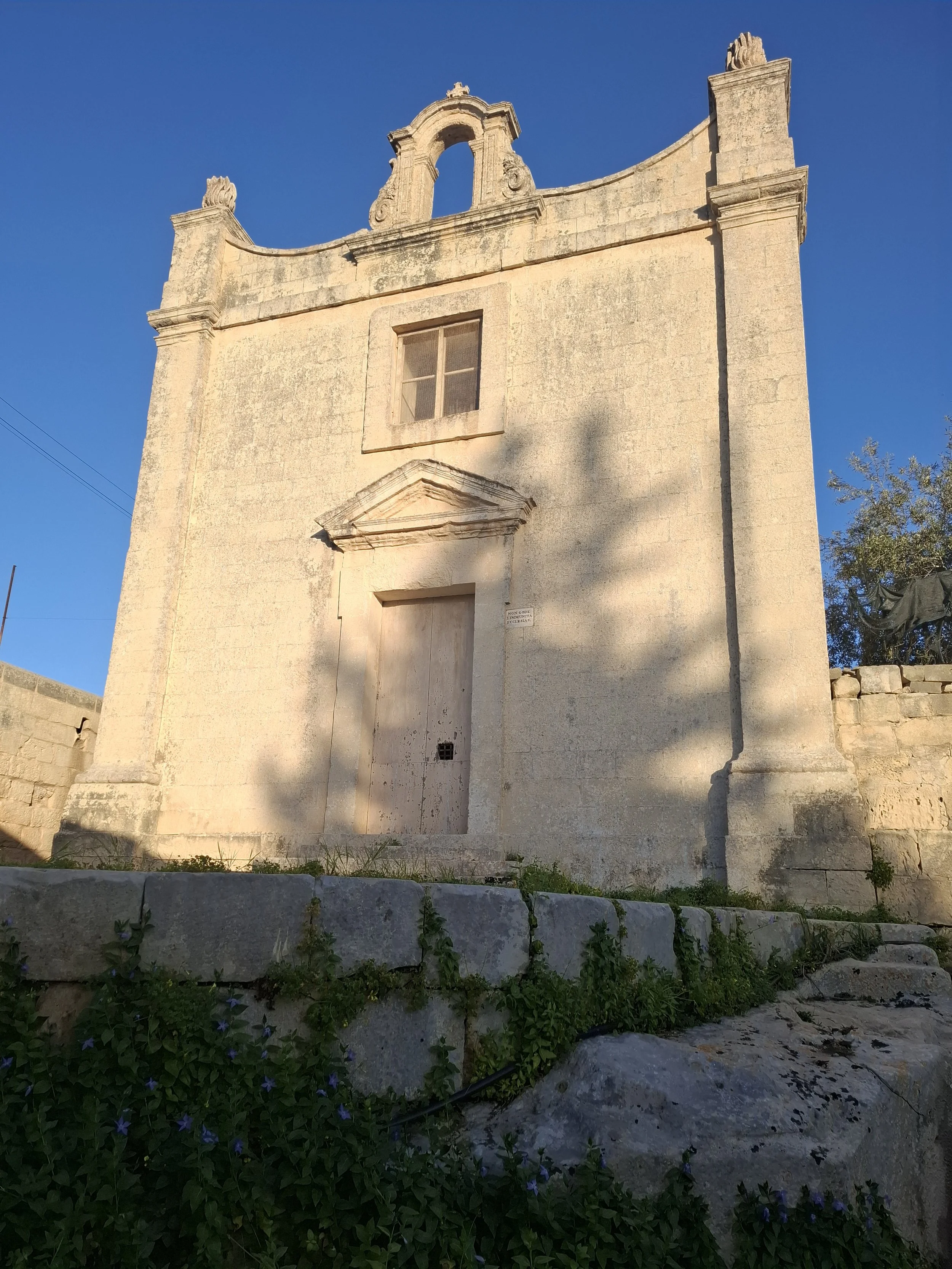
The facade of St Paul tal-Qliegħa: imposing back then, quaint today
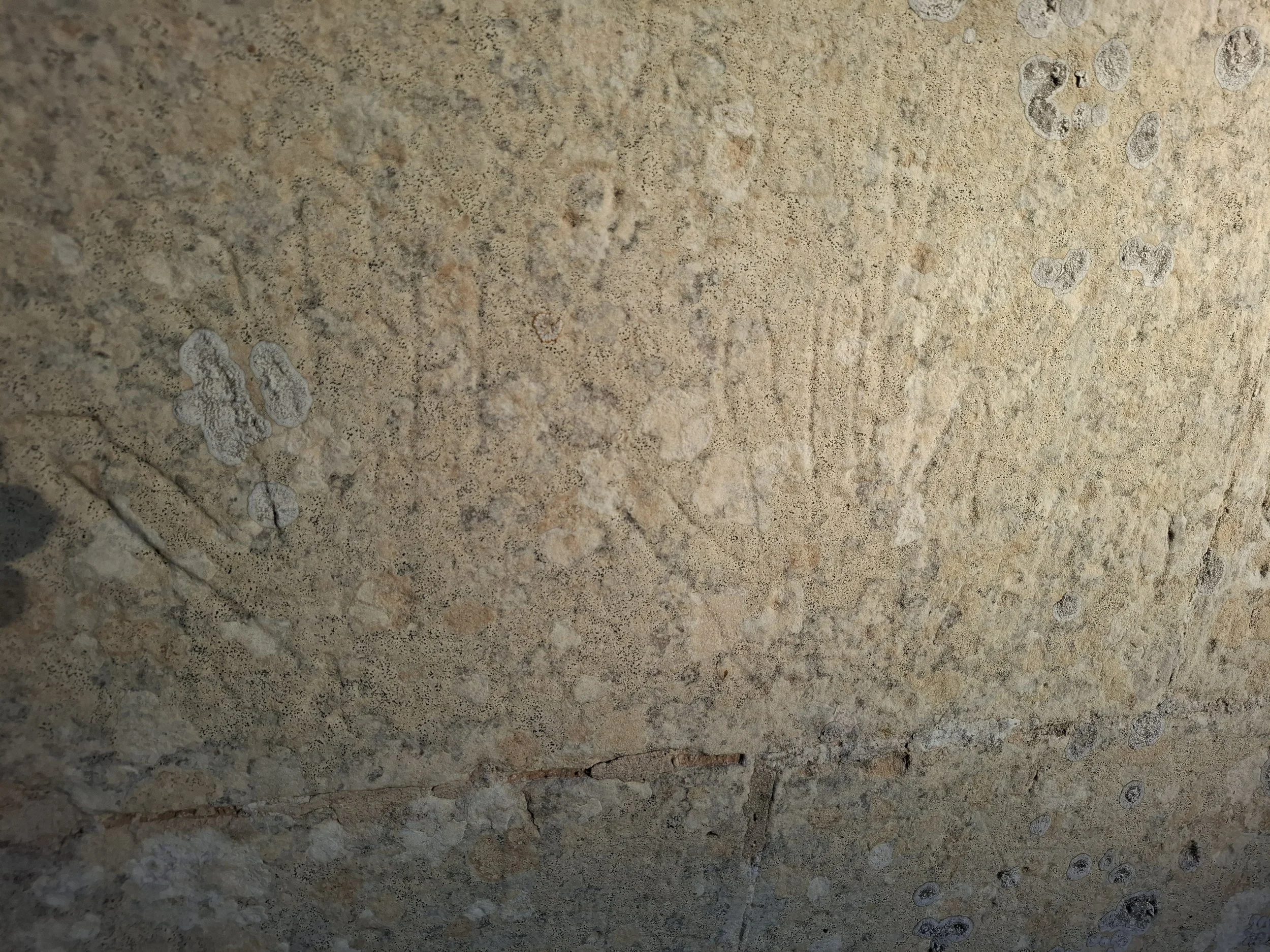
‘I was here’ from 336 years ago: someone in 1690 wanted you to see them the only way they knew how
I don’t think this is a hand print in the usual sense. It looks more as if somebody placed their hand against the stone and traced around it with something sharp. This somehow feels even stranger. A real person stood here 336 years ago, pressed their hand against this wall and decided they wanted to leave a trace of themselves behind. Maybe they wondered in that moment who would notice them in the future, people who wouldn’t be born for generations. And today, just as they had hoped, we stand in that same spot centuries later, to look and wonder who they were.
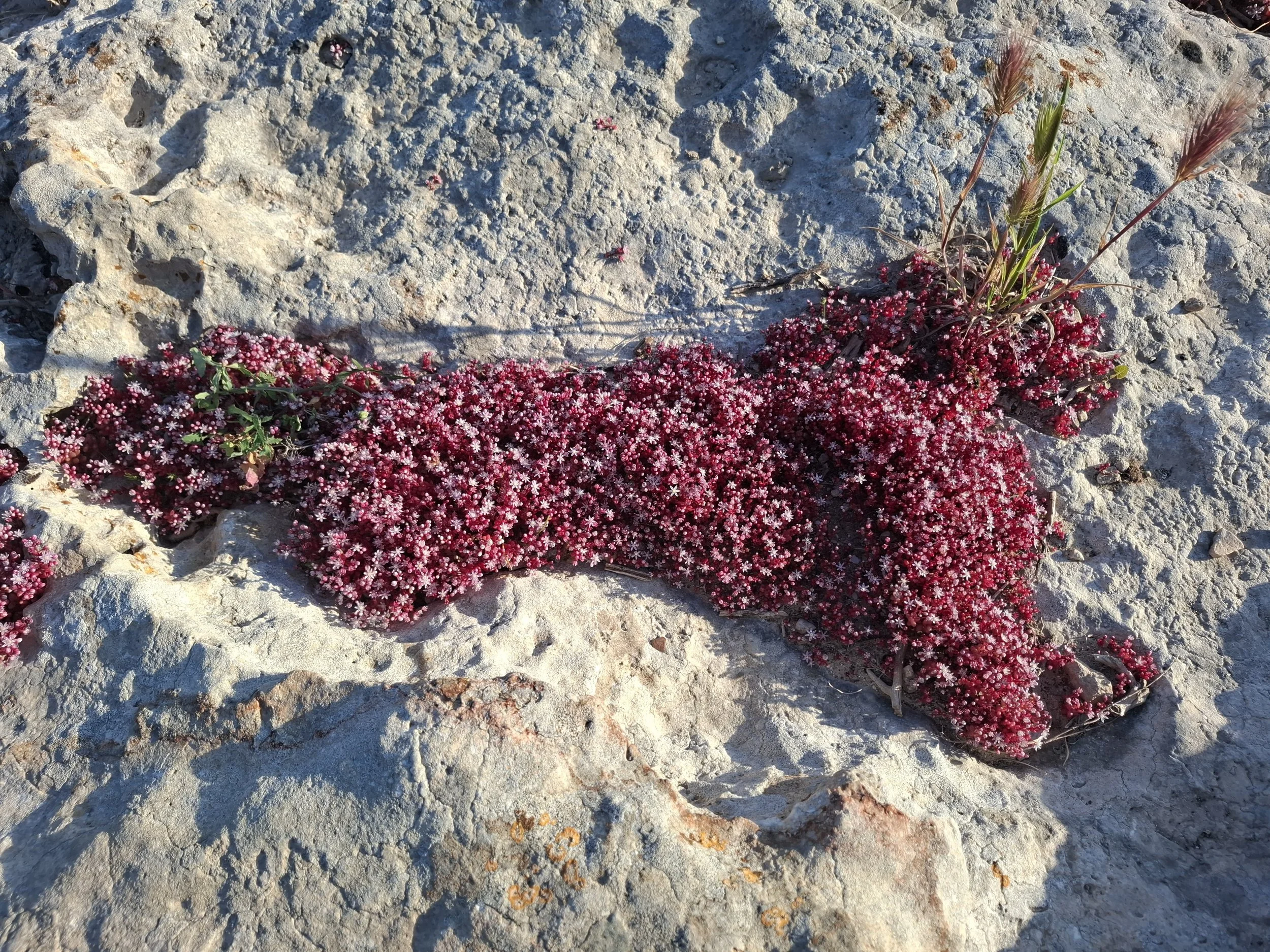
Floral puma: accidental animal shape in the rock
Because this is a nature walk, there are no toilets or vending machines nearby so bring your own water. This place can be a heat trap during the warmer months (May to September).
My recommendation afterwards is a stop at Dolcettina, a lovely little cafe near Good Hope Chapel on Triq Nicolo Isouard. Their coffee and sweets are an absolute treat after wandering through the flowers.
If you fancy some lunch, walk a bit further towards the cathedral to Mellows; this is one of my favourite brunch places. (
(I’m not going to tell you what their best dish is in case they run out.)

On the way home:
Vinz gazes at the chapel at sundown
